Masonic Symbolism
Masonic Symbolism
In Freemasonry, every symbol is a message that embodies universal ideals, initiatory teachings and a spiritual heritage handed down over centuries.
In our handcrafted Masonic jewellery, symbols take concrete form, becoming objects of identity, belonging and reflection.
In this guide, we explore the meaning of the Masonic symbols most commonly used in jewellery: their origin, their function in rituals and their use in the daily life of a Freemason. We will also discuss how these symbols can be represented in our rings, pendants, brooches and badges.
Freemasonry is a symbolic system.
Its teachings are transmitted not only through words, but also and above all through signs and images.
Masonic symbols speak directly to the unconscious, opening the mind to knowledge and inner perfection.
Masonic iconography comprises a complex set of symbols, tools and archetypal figures that, over time, have become part of the visual tradition of the lodges. In MasonAura jewellery, these elements are reproduced with great care and attention to their original meaning.
Here are the main Masonic symbols represented in our gold and silver creations.
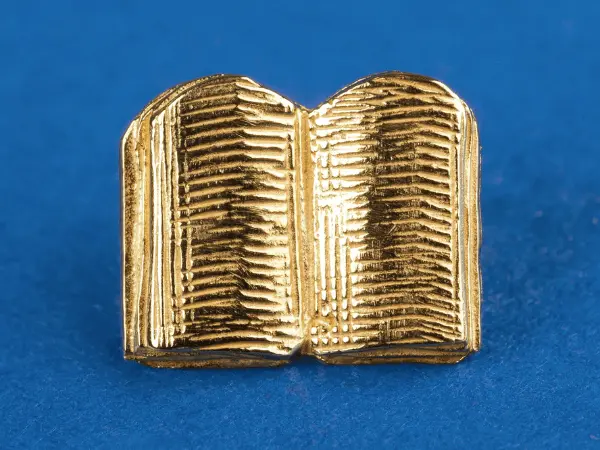
Whether depicted open or closed, the book always represents sacred knowledge and the origin of Masonic teaching. In lodges, it is identified with the “Book of Law” or “Book of Constitutions of the Order”, a symbol of the universal rules and moral foundation on which the Masonic edifice rests. In jewellery, it symbolises fidelity to the teachings.
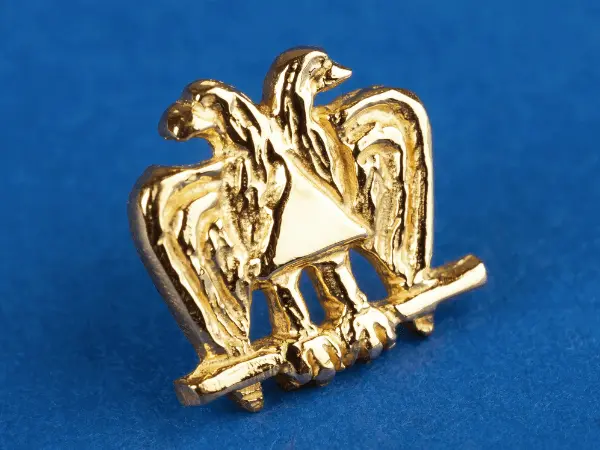
The double-headed eagle
A symbol linked in particular to the Ancient and Accepted Scottish Rite, the double-headed eagle represents wisdom and vigilance in the two worlds: the spiritual and the material. It is a symbol of initiatory power, linked to profound vision and inner sovereignty.
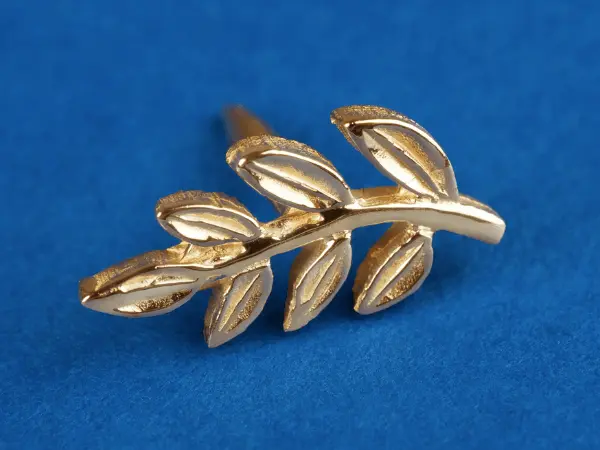
The acacia branch
The acacia is a symbol of the immortality of the soul and purity. According to Masonic tradition, it was an acacia branch that marked the burial place of Hiram Abiff, the legendary architect of Solomon's Temple. In jewellery, the acacia is used to symbolise regeneration and hope. Brooches and pendants featuring the acacia branch are among the best-sellers in our shop.
(Myosotis)
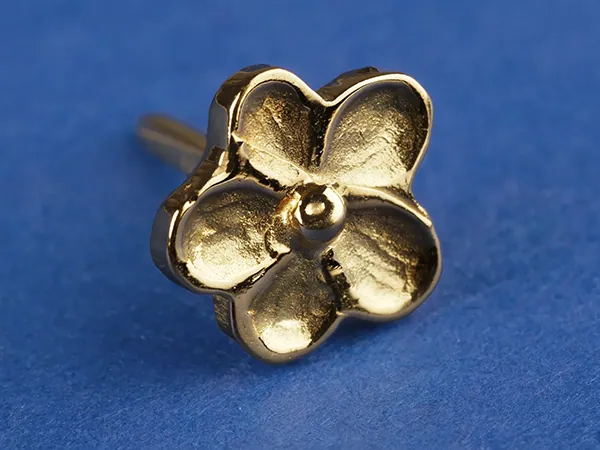
The forget-me-not, also called Myosotis, is a blue flower that has taken on a strong symbolic meaning in Freemasonry in more recent times than all other symbols: it was adopted by Freemasons as a secret sign of recognition during the Nazi regime. Wearing it allowed them to discreetly express their membership and escape persecution. Today, the forget-me-not often appears in Masonic jewellery - rings, brooches and pendants, but also women's bracelets and earrings - as a tribute to the values of brotherhood, freedom and courage. It is one of the best-selling products in the MasonAura collection.
The love knot
(or infinite knot)
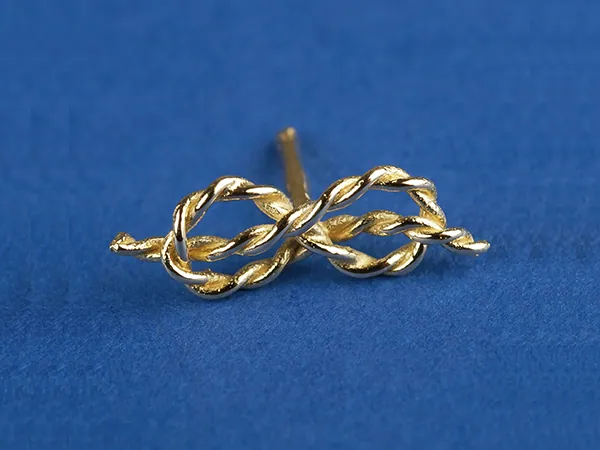
A symbol of unity and eternal bond, the knot represents the fraternal union between members of the lodge. It is often engraved on jewellery, such as rings, to recall the strength of the Masonic bond and the continuity of tradition. Along with the acacia and the forget-me-not, brooches and pendants bearing the knot symbol are among the most popular items in the MasonAura collection.
Square and compass
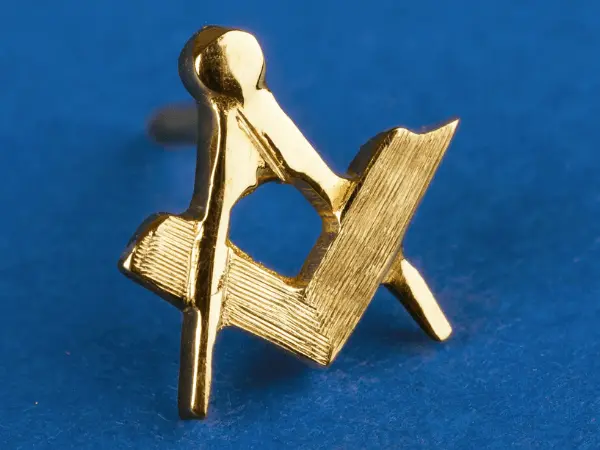
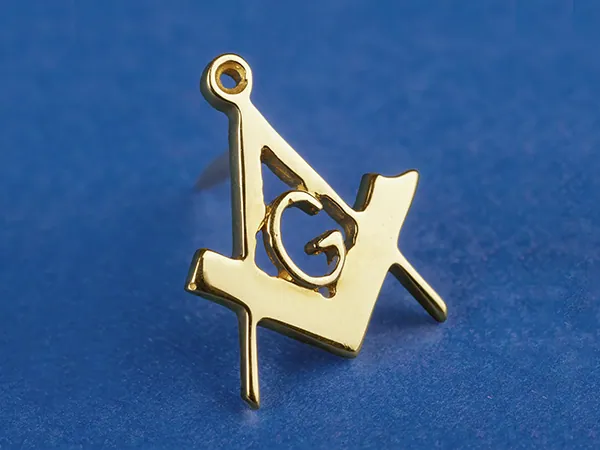
Perhaps the most iconic of Masonic symbols, the combination of square and compass represents righteousness and the ability to navigate life with balance. The square indicates acting with justice, while the compass represents the ability to set boundaries for one's actions. In jewellery, the specific position of the square in relation to the compass reveals the degree achieved by the Brother: a brooch or pendant with the compass superimposed on the square, for example, can only be worn by a Master.
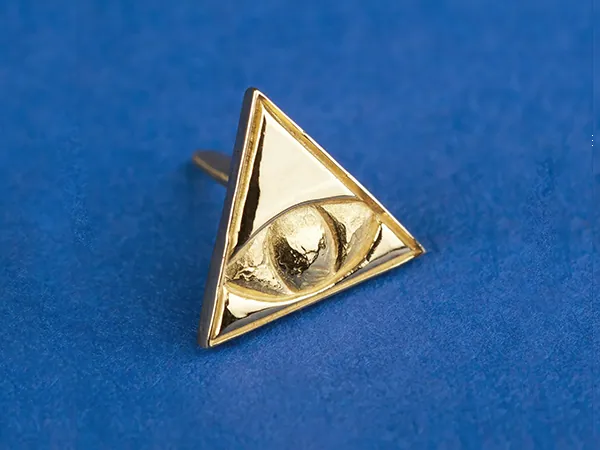
A symbol of vigilance and divine presence, the eye is often depicted inscribed in a triangle, signifying the Trinity and enlightenment, to remind us that every thought and action is under the gaze of Truth. In the MasonAura collection, the eye is often depicted together with the knot and the square and compass, but beware: only a Master may wear jewellery featuring the eye symbol, which is forbidden to Brothers of lower degrees.
The trowel
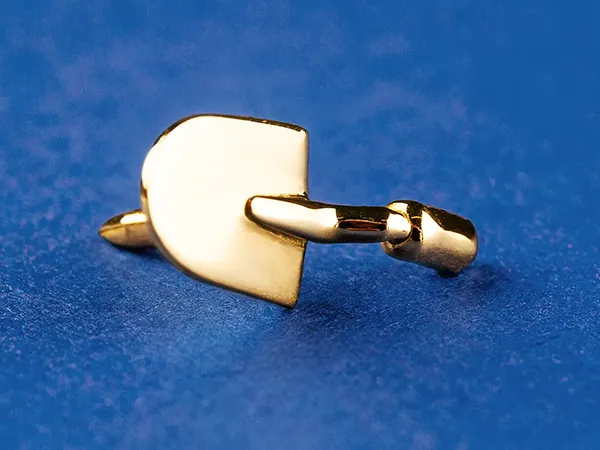
The trowel, the tool with which the mason spreads cement, symbolically represents the ability to unite what is divided, to build bridges between men. It therefore recounts the constructive action of the Freemason towards the goal of a more harmonious society.
Tubalcain
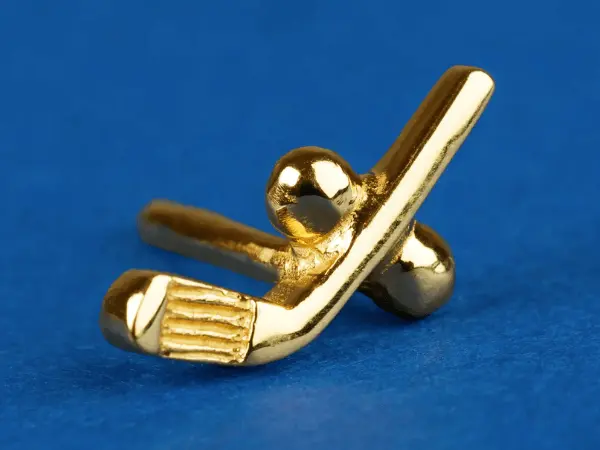
A legendary biblical figure steeped in esoteric meaning, Tubalcain is considered the first blacksmith, an expert master in working iron and bronze. In Freemasonry, he is a symbol of operational skill, strength and alchemical tradition. The most common symbols associated with Tubalcain are a pair of small balls or a pair of rods (or hooks) with a bracket or stick: they represent his skill in metalworking and, specifically, in making tools and instruments.
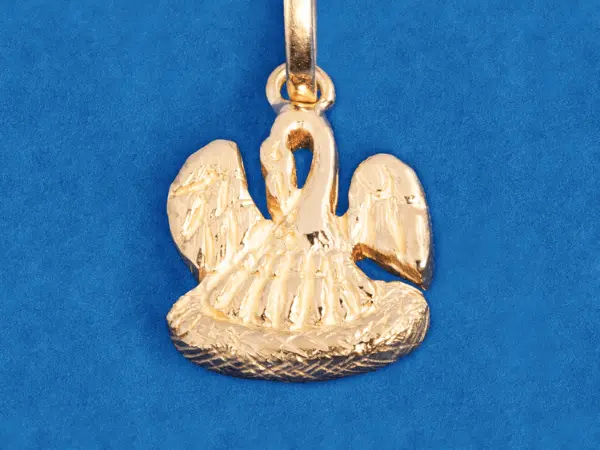
The pelican that tears open its chest to feed its young is a powerful symbol of sacrifice, love and rebirth. In the upper echelons of Freemasonry, it represents supreme initiation, the abandonment of the ego and the gift of oneself to the brotherhood. It is a central element in some lines of Masonic jewellery.
The letter G
An enigmatic letter at the centre of many symbols, G can mean “geometry”, a sacred science for Freemasons, or “God”, the Great Architect of the Universe, also abbreviated to G.A.O.T.U. Its meaning is broad and deliberately open, to stimulate reflection.
Boaz and Jachin Columns
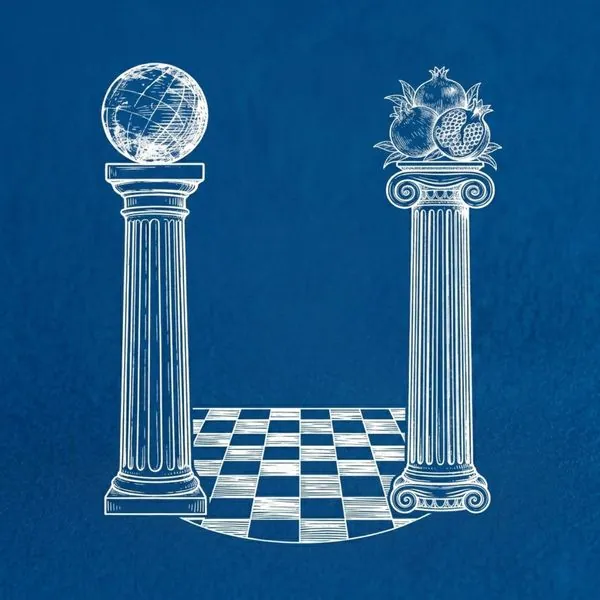
Always present in Masonic temples, the columns called ‘Boaz’ and ‘Jachin’ represent the pillars of wisdom and strength. They are the gateway to the sacred, to mystery and transformation. In jewellery, the presence of two columns evokes the passage from profane to initiated.
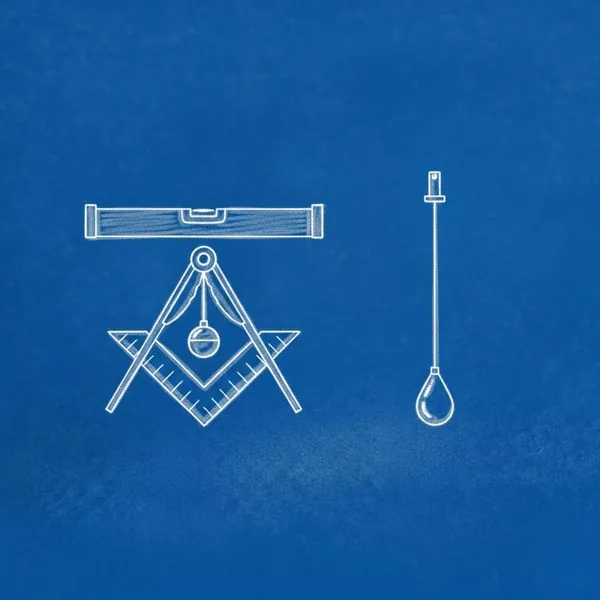
Masonry tools, the spirit level and plumb line represent balance and moral uprightness. The spirit level recalls the equality of all men, while the plumb line symbolises integrity and the search for the deepest truth.
Checkerboard floor
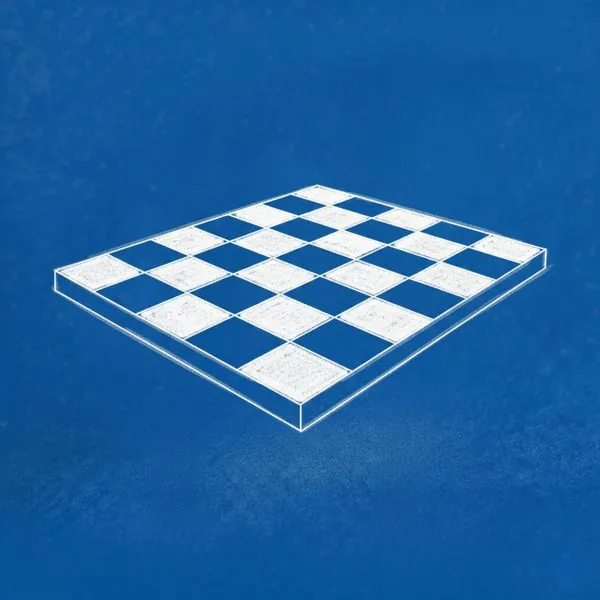
Found in every Masonic temple, the black and white checkered floor symbolises the duality of the human condition: light and darkness, good and evil, spirit and matter. Walking on it means accepting the complexity of existence and moving forward with awareness on the path of initiation.
Ankh
(the key of life)
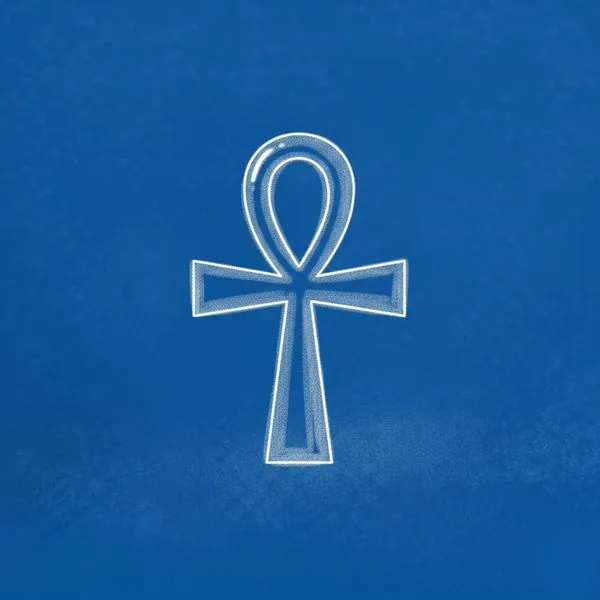
A millennial symbol of ancient Egypt, the Ankh represents eternal life, cosmic energy and harmony between masculine and feminine. In Egyptian Masonic tradition, it recalls the union of opposites, the cycle of regeneration and the power of the breath of life. Carrying it with you is a sign of continuity and spiritual awakening.
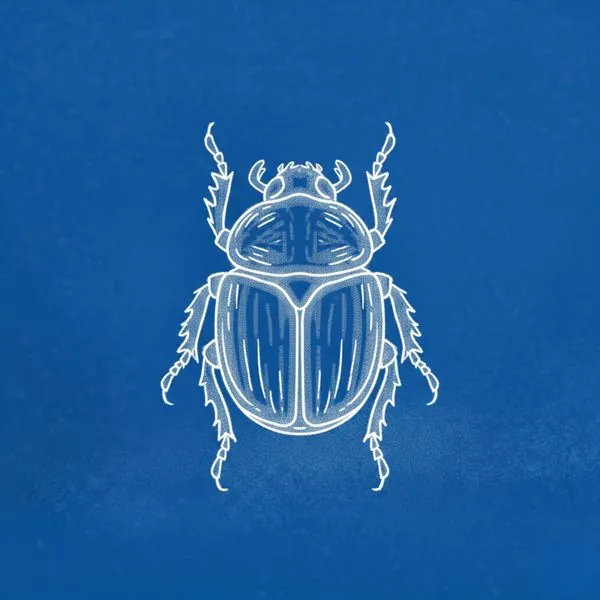
For the Egyptians, the scarab was an emblem of rebirth, linked to the sun that is reborn every day. In the Masonic context of the Egyptian rite, the scarab symbolises the initiate's journey, the inner alchemical process and the renewal of being. It is a powerful reminder of transformation and perseverance.
Pyramid
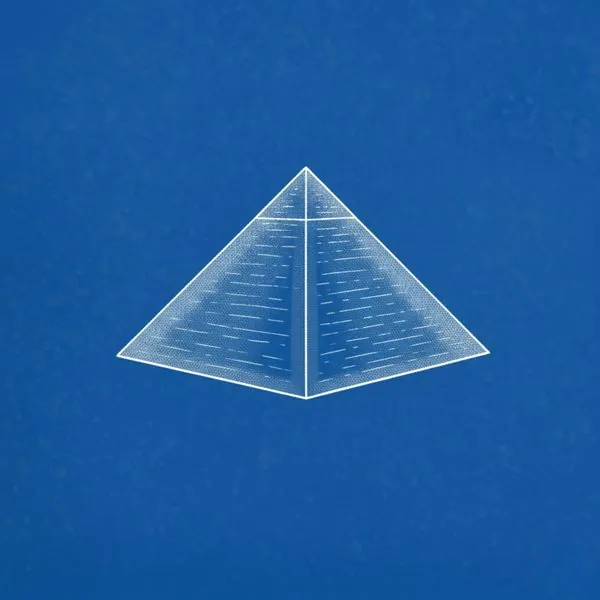
A perfect and mystical shape, the pyramid represents the link between earth and sky, matter and spirit. In Egyptian and Masonic symbolism, it is a temple of knowledge and asceticism: the solid base is rooted in experience, while the apex points to the elevation of the soul. A sign of stability, power and transcendence.
Whether depicted open or closed, the book always represents sacred knowledge and the origin of Masonic teaching. In lodges, it is identified with the “Book of Law” or “Book of Constitutions of the Order”, a symbol of the universal rules and moral foundation on which the Masonic edifice rests. In jewellery, it symbolises fidelity to the teachings.
The double-headed eagle
A symbol linked in particular to the Ancient and Accepted Scottish Rite, the double-headed eagle represents wisdom and vigilance in the two worlds: the spiritual and the material. It is a symbol of initiatory power, linked to profound vision and inner sovereignty.
The acacia branch
The acacia is a symbol of the immortality of the soul and purity. According to Masonic tradition, it was an acacia branch that marked the burial place of Hiram Abiff, the legendary architect of Solomon's Temple. In jewellery, the acacia is used to symbolise regeneration and hope. Brooches and pendants featuring the acacia branch are among the best-sellers in our shop.
(Myosotis)
The forget-me-not, also called Myosotis, is a blue flower that has taken on a strong symbolic meaning in Freemasonry in more recent times than all other symbols: it was adopted by Freemasons as a secret sign of recognition during the Nazi regime. Wearing it allowed them to discreetly express their membership and escape persecution. Today, the forget-me-not often appears in Masonic jewellery - rings, brooches and pendants, but also women's bracelets and earrings - as a tribute to the values of brotherhood, freedom and courage. It is one of the best-selling products in the MasonAura collection.
The love knot
(or infinite knot)
A symbol of unity and eternal bond, the knot represents the fraternal union between members of the lodge. It is often engraved on jewellery, such as rings, to recall the strength of the Masonic bond and the continuity of tradition. Along with the acacia and the forget-me-not, brooches and pendants bearing the knot symbol are among the most popular items in the MasonAura collection.
Square and compass
Perhaps the most iconic of Masonic symbols, the combination of square and compass represents righteousness and the ability to navigate life with balance. The square indicates acting with justice, while the compass represents the ability to set boundaries for one's actions. In jewellery, the specific position of the square in relation to the compass reveals the degree achieved by the Brother: a brooch or pendant with the compass superimposed on the square, for example, can only be worn by a Master.
A symbol of vigilance and divine presence, the eye is often depicted inscribed in a triangle, signifying the Trinity and enlightenment, to remind us that every thought and action is under the gaze of Truth. In the MasonAura collection, the eye is often depicted together with the knot and the square and compass, but beware: only a Master may wear jewellery featuring the eye symbol, which is forbidden to Brothers of lower degrees.
The trowel
The trowel, the tool with which the mason spreads cement, symbolically represents the ability to unite what is divided, to build bridges between men. It therefore recounts the constructive action of the Freemason towards the goal of a more harmonious society.
Tubalcain
A legendary biblical figure steeped in esoteric meaning, Tubalcain is considered the first blacksmith, an expert master in working iron and bronze. In Freemasonry, he is a symbol of operational skill, strength and alchemical tradition. The most common symbols associated with Tubalcain are a pair of small balls or a pair of rods (or hooks) with a bracket or stick: they represent his skill in metalworking and, specifically, in making tools and instruments.
The pelican that tears open its chest to feed its young is a powerful symbol of sacrifice, love and rebirth. In the upper echelons of Freemasonry, it represents supreme initiation, the abandonment of the ego and the gift of oneself to the brotherhood. It is a central element in some lines of Masonic jewellery.
The letter G
An enigmatic letter at the centre of many symbols, G can mean “geometry”, a sacred science for Freemasons, or “God”, the Great Architect of the Universe, also abbreviated to G.A.O.T.U. Its meaning is broad and deliberately open, to stimulate reflection.
Boaz and Jachin Columns
Always present in Masonic temples, the columns called ‘Boaz’ and ‘Jachin’ represent the pillars of wisdom and strength. They are the gateway to the sacred, to mystery and transformation. In jewellery, the presence of two columns evokes the passage from profane to initiated.
Masonry tools, the spirit level and plumb line represent balance and moral uprightness. The spirit level recalls the equality of all men, while the plumb line symbolises integrity and the search for the deepest truth.
Checkerboard floor
Found in every Masonic temple, the black and white checkered floor symbolises the duality of the human condition: light and darkness, good and evil, spirit and matter. Walking on it means accepting the complexity of existence and moving forward with awareness on the path of initiation.
Ankh
(the key of life)
A millennial symbol of ancient Egypt, the Ankh represents eternal life, cosmic energy and harmony between masculine and feminine. In Egyptian Masonic tradition, it recalls the union of opposites, the cycle of regeneration and the power of the breath of life. Carrying it with you is a sign of continuity and spiritual awakening.
For the Egyptians, the scarab was an emblem of rebirth, linked to the sun that is reborn every day. In the Masonic context of the Egyptian rite, the scarab symbolises the initiate's journey, the inner alchemical process and the renewal of being. It is a powerful reminder of transformation and perseverance.
Pyramid
A perfect and mystical shape, the pyramid represents the link between earth and sky, matter and spirit. In Egyptian and Masonic symbolism, it is a temple of knowledge and asceticism: the solid base is rooted in experience, while the apex points to the elevation of the soul. A sign of stability, power and transcendence.
Throughout history, the meaning of Masonic symbols has been preserved with respect and discretion.
Each lodge and each rite may attribute different nuances to the same symbols, but the symbolic core remains universal.
Wearing a ring or brooch with Masonic symbolism is certainly not just an aesthetic choice: it is a declaration of belonging, of inner journey and of fidelity to an ethical vision of the world. Our customers often choose symbols that reflect their degree, their path or their lodge of reference.
Every MasonAura creation is born from the desire to honour tradition while offering a unique, personal and meaningful object.
We do not sell simple accessories: we create symbols of Masonic identity, visual expressions of the inner journey of each Brother and Sister.
Thanks to over half a century of experience in artisan goldsmithing and a deep knowledge of Masonic iconography, our workshop knows how to interpret and enhance every symbol, both in the models in our catalogue and in customised requests.
Discover the MasonAura collection of Masonic jewellery
Whether you are an Apprentice, a Fellow or a Master, you will find the symbol that best represents you in the MasonAura collection. Each piece is made with high-quality materials and attention to meaning.